 |
|


|
|
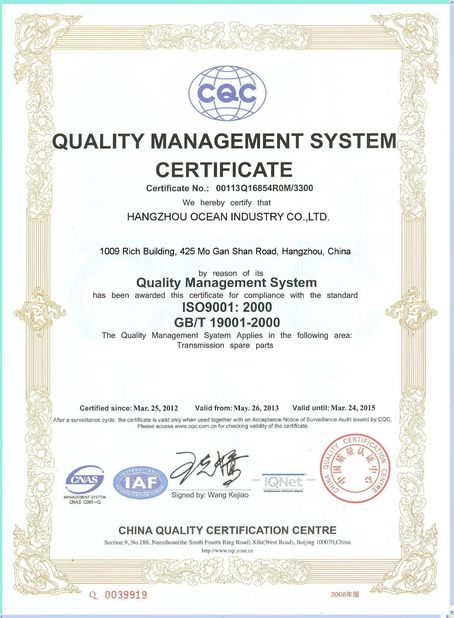
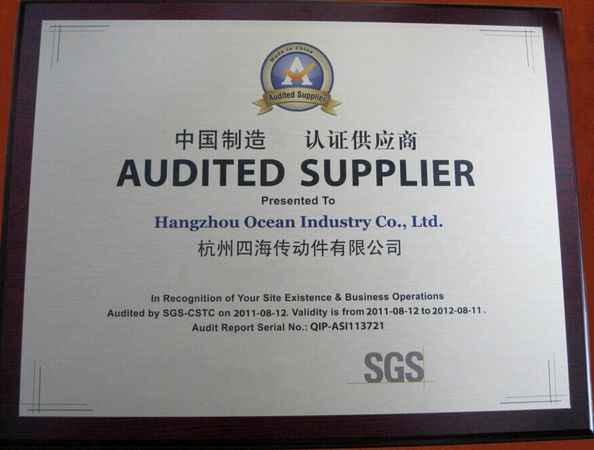
認証
- オンラインです
会社 ニュース
Heat Treatment Knowledge: Solution Treatment, Aging Treatment and Corrosion Mechanism of Stainless Steel
1. Solution Treatment
Solution treatment is also widely known as solution quenching. Its operational procedure shares many similarities with conventional quenching processes, but the core metallurgical objective differs significantly from hardening quenching for carbon steel.
Definition of the process: The alloy is heated up to the temperature range of its high-temperature single-phase region and held at this temperature for a sufficient soaking period. During holding, all excess secondary phases such as carbides, intermetallic compounds and precipitates fully dissolve into the solid solution matrix. Immediately after the holding cycle, the workpiece undergoes rapid cooling. This fast cooling rate suppresses the re-precipitation of dissolved phases, and finally a supersaturated solid solution structure is obtained inside the alloy matrix.
Core functions of solution treatment:
- Promote full dissolution of carbides and other secondary precipitates into the solid solution, so as to achieve a homogeneous single-phase microstructure with even chemical composition across grains and grain boundaries;
- Relieve and eliminate residual internal stress generated by forging, rolling, machining or prior heat processes. After solution treatment, the tensile strength and hardness of the material decrease, while ductility and plastic deformation capacity are greatly improved for further forming operations;
- Dramatically enhance the corrosion resistance performance of stainless steel, which is the primary purpose for most austenitic stainless steel solution treatment.
Solution treatment for austenitic stainless steel: Austenitic stainless steel relies on stable single-phase austenite to maintain excellent corrosion resistance. Normally, these grades are heated to approximately 1100 °C for soaking. At this high temperature, chromium-rich carbides are completely dissolved into the austenite matrix. Subsequent rapid water quenching brings the material down to room temperature quickly, locking chromium and carbon inside the austenite in a supersaturated state. The dual targets of this process are optimizing corrosion resistance and softening the stainless steel for bending, stamping and other forming processes.
Supplementary note for stabilized austenitic stainless steel containing titanium or niobium: Grades alloyed with Ti or Nb require an extra stabilization treatment after solution treatment. Stabilization treatment is carried out at 850–900 °C, with a holding time of 4 to 6 hours, followed by air cooling or furnace cooling. This controlled heating encourages titanium and niobium to form their own stable carbides (TiC and NbC) preferentially. This effectively prevents the precipitation of chromium carbides along grain boundaries and mitigates the risk of intergranular corrosion.
2. Intergranular Corrosion of Austenitic Stainless Steel
Root cause of intergranular corrosion: When stainless steel stays within the critical temperature range of 450 °C to 850 °C (often called the sensitization temperature zone), chromium carbides start to precipitate continuously along grain boundaries. The formation of these chromium carbides consumes chromium atoms from the area adjacent to grain boundaries. As a result, the chromium content in this grain boundary depletion zone drops below the threshold of 11.7%. Once local chromium falls below this critical level, the passive film cannot form stably, and the corrosion resistance of grain boundary regions declines sharply, triggering intergranular corrosion.
Affected stainless steel with intergranular corrosion may show almost no obvious rust marks on the outer surface. However, the bonding between grains has already been destroyed. Under slight external load, impact or bending force, the material will crack along grain boundaries and even crumble into granular fragments, leading to sudden and catastrophic component failure.
Three mainstream technical approaches to avoid intergranular corrosion:
- Reduce the carbon mass fraction of stainless steel to below 0.06%. Lower carbon content restricts the driving force for chromium carbide precipitation, so less chromium will be consumed at grain boundaries;
- Add strong carbide-forming alloying elements such as titanium and niobium. These elements combine with carbon preferentially to form stable TiC or NbC, protecting chromium in the matrix from being depleted;
- Adopt a well-matched heat treatment schedule combining solution annealing and stabilization treatment, avoiding long-time holding inside the sensitization temperature window during heating and cooling cycles.
3. Two Major Categories of Metallic Corrosion
Metal corrosion can be classified into chemical corrosion and electrochemical corrosion. In practical industrial service environments, the vast majority of metal failure caused by corrosion belongs to electrochemical corrosion.
- Chemical corrosion Chemical corrosion refers to direct chemical reactions between metallic substrate and surrounding corrosive media, without the formation of micro galvanic cells. There is no electron transfer through an electrolyte. A typical example is high-temperature surface oxidation of steel during heating in furnaces, where metal reacts directly with oxygen in the air to form oxide scales.
- Electrochemical corrosion Electrochemical corrosion occurs when two metallic phases or two different metals with distinct electrode potentials are in electrical contact, with an electrolyte solution covering the contact surface. This setup forms numerous tiny galvanic cells. The phase or metal with a lower electrode potential acts as the anode and dissolves continuously, which means it gets corroded. The phase with a higher electrode potential serves as the cathode and is protected from corrosion.
Electrochemical corrosion also takes place inside a single alloy, not only between dissimilar metals. For instance, in pearlite steel, ferrite has a lower electrode potential than cementite. When exposed to electrolyte, ferrite will be selectively corroded first.
4. Technical Routes to Improve the Corrosion Resistance of Steel
- Form a dense and stable passive film: Alloy elements such as chromium are added into steel. Once exposed to oxygen or aqueous environments, a compact, adherent chromium oxide passive film develops on the metal surface. This thin film acts as a barrier and isolates the base metal from corrosive media including water, chloride and acid;
- Raise the electrode potential of the matrix: After chromium dissolves into ferrite, austenite or other matrix phases in solid solution, the overall electrode potential of the base material increases. A higher potential reduces the tendency to form anodic sites and improves resistance against electrochemical attack;
- Achieve a homogeneous single-phase microstructure: Chromium is an element that shrinks the austenite phase region, while nickel expands the austenite phase region. By adjusting the Cr/Ni ratio and other alloy compositions, manufacturers can produce single-phase ferritic stainless steel or single-phase austenitic stainless steel. A uniform single-phase structure eliminates potential differences between different phases, removing the internal source of micro galvanic corrosion cells.
5. Aging Treatment
Definition: Aging treatment is a heat treatment process applied to alloys that have undergone solution quenching or cold plastic deformation. The alloy is held at room temperature or a designated elevated temperature for a certain period. During aging, mechanical properties including strength, hardness and ductility change progressively over time.
Aging is divided into two types: Natural aging: The alloy is kept at ambient room temperature without external heating. Its mechanical properties evolve slowly with time. Many aluminum alloys are typical examples. Right after solution quenching, aluminum alloys remain relatively soft with low strength. After several days of natural aging at room temperature, their strength and hardness rise significantly.
Artificial aging: The alloy is heated to a controlled temperature and held for a planned soaking time to accelerate the precipitation sequence and property evolution. Production cycles can be shortened, and target mechanical performance can be tuned precisely by adjusting aging temperature and holding time.
Typical property changes after aging treatment: After qualified aging, the hardness and tensile strength of the alloy increase remarkably. Meanwhile, ductility, toughness and residual internal stress decrease accordingly.
Important note to distinguish steel and aluminum alloy strengthening mechanisms: High carbon steel achieves high hardness immediately after quenching through martensite transformation. In contrast, aluminum alloys cannot reach peak strength directly after solution quenching. Their strengthening mainly comes from fine precipitates generated during aging. This is the key reason why aging treatment is widely and commonly used for aluminum alloy components in aerospace, automotive and general engineering sectors.
パブの時間 : 2026-11-06 09:18:54
>> ニュースのリスト
連絡先の詳細
Hangzhou Ocean Industry Co.,Ltd
コンタクトパーソン: Mrs. Lily Mao
電話番号: 008613588811830
ファックス: 86-571-88844378